EFFECT OF TEMPERATURE ON DOUGH AND HOW TO KEEP BAKING CONSISTENT WITH FILMA® PRESTIGE
Friday, 24 April 2026
|
Read : 138 times
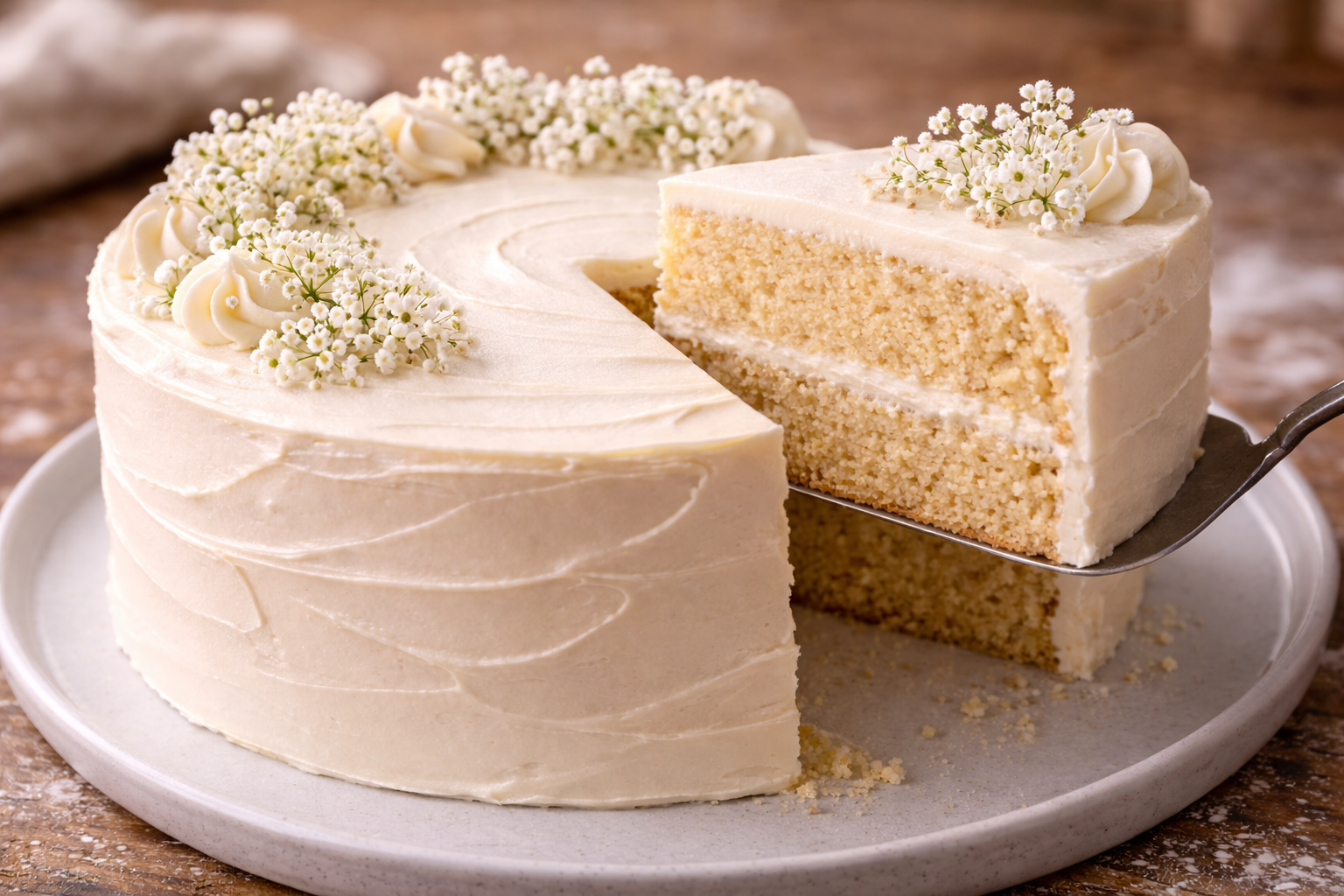
In bakery production, consistency is often a challenge that is not always visible, yet its impact is clearly felt, particularly when it comes to maintaining dough stability and baking results. In some conditions, dough may feel easier to handle, while in others, the final outcome can vary even when using the same recipe.
These differences are often influenced by environmental factors such as temperature and humidity in the production space. In tropical regions like Indonesia, these conditions can shift dynamically throughout the day and are difficult to control entirely. For bakery businesses, this does not only affect the process, but also the final products received by customers.
The Impact of Temperature and Humidity on Dough Stability
Temperature and humidity have a significant effect on ingredient performance from the very beginning of the mixing stage, particularly when it comes to fats in baking. At higher temperatures, fats tend to soften, which can weaken the dough structure and make it more difficult to control. On the other hand, at lower temperatures, fats can become too firm and less effective during mixing.
Humidity also affects the balance of the dough, influencing texture, volume, and the overall appearance of the final product. In practice, this often becomes a challenge for bakery businesses, as even small environmental changes can lead to noticeable differences in production results.
These effects do not stop at the mixing stage. Excessively high temperatures can accelerate yeast activity uncontrollably, while lower temperatures may slow down dough development. This imbalance affects gluten formation and gas distribution within the dough, resulting in suboptimal crumb structure and volume.
As the dough enters the baking stage, it begins forming its final structure. At this point, the stability of fat characteristics becomes increasingly important in maintaining texture balance and ensuring consistent baking results.
The Advantages of FILMA® Prestige (Butter Blend Margarine) in Maintaining Production Stability
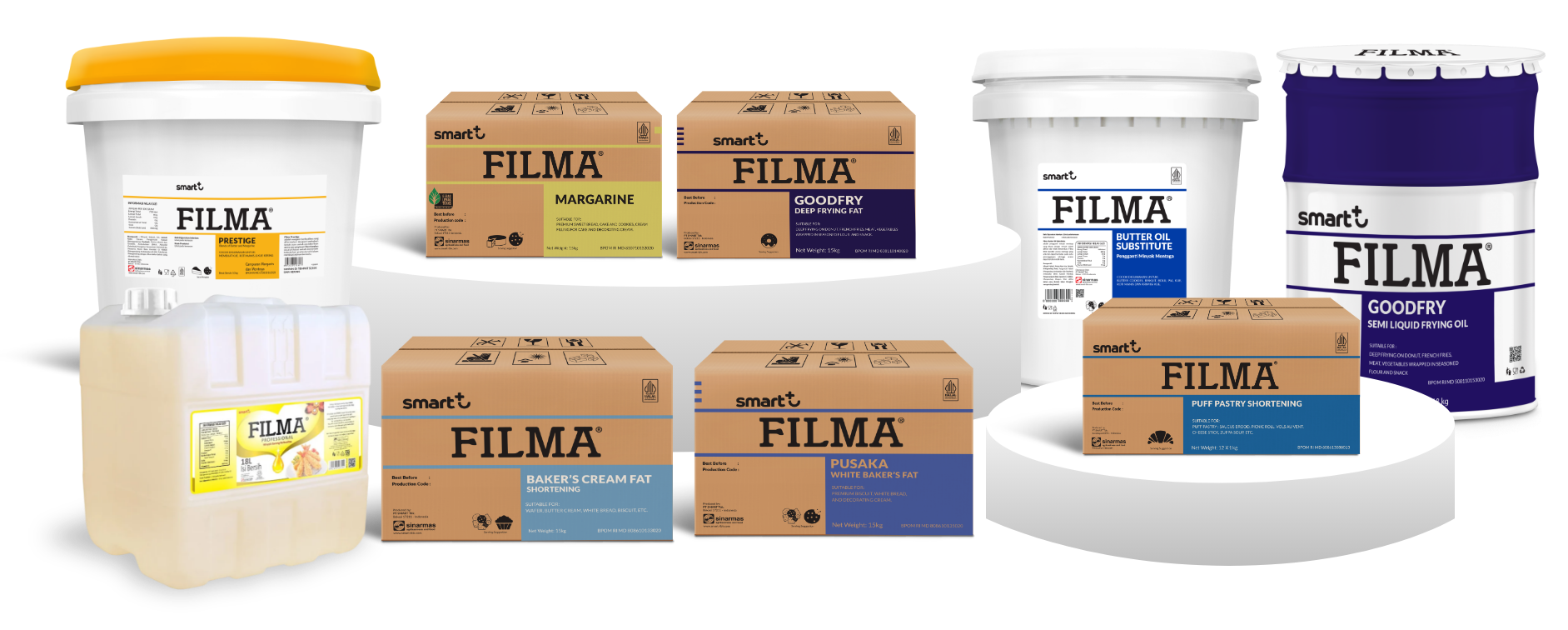
Amid these challenges, selecting ingredients with stable characteristics becomes essential. FILMA® Prestige (Butter Blend Margarine) is designed with a plastic and easy-to-handle texture, with a melting point (SMP) in the range of 33–36°C. This allows the product to perform well across different temperature conditions—remaining workable when cool and maintaining structure when temperatures rise.
According to Christina Liem, Assistant Brand Manager at Sinar Mas Agribusiness and Food, one of the key differentiators of FILMA® Prestige (Butter Blend Margarine) lies in its ability to deliver controlled softness, enabling more consistent performance across various production conditions.
With these characteristics, FILMA® Prestige (Butter Blend Margarine) not only supports the mixing and creaming process, but also helps optimise aeration and maintain consistent texture in the final product
Its stable profile also allows it to be used across a wide range of bakery applications, including cakes, sweet breads, cookies, and choux pastry. It can also be applied in fillings and creams, providing flexibility for product development.
Furthermore, the inclusion of Dutch Natural Butter contributes a distinctive buttery aroma, enhancing the overall appeal of bakery products, particularly in cakes and sweet breads.
Temperature and humidity will always be changing variables in production. However, their impact can be minimised with the right approach. Choosing a stable fat ingredient such as FILMA® Prestige (Butter Blend Margarine) is one of the key steps in maintaining bakery product quality—across structure, texture, and softness under varying production conditions.
Interested in discovering more recipe inspiration and baking tips?
Join as a member and follow the SMART Food Solutions WhatsApp Channel for daily updates from the world of baking.